+86-13819126663
Párásítók múzeumokhoz, levéltárakhoz és könyvtárakhoz video

Párásítók múzeumokhoz, levéltárakhoz és könyvtárakhoz

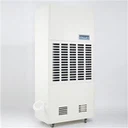
240L mesterséges szárító a múzeumok számára

Leírás

Száraz párátlanítók múzeumokhoz, archívumokhoz


Főbb jellemzői:

1. Nagy területhasználat: nagy nedvességmentesítési kapacitás, nagy térfogatú szárításhoz, nagy szélciklushoz


2, ultra-széles páratartalom: 20% -90% ultra-széles nedvességtartomány, kielégíti a különböző nedvességtartalmú helyek igényeit, rugalmasan reagálhat a szélsőséges környezetekre


3, támogatja a folyamatos vízelvezetést: külső vízelvezető cső, közvetlen hozzáférés a csatornacsőhöz, kényelmes vízelvezetés


4, intelligens párátlanítás: intelligens chipeket tartalmaz, automatikusan az intelligens páramentesítést az aktuális környezeti páratartalomnak megfelelően, nem kell nézni


5, intelligens hiba megítélés: automatikusan meghatározza a hiba helyét és a visszajelzést az LCD képernyőn a karbantartáshoz


6, kétirányú időzítés: beállíthatja a rendszerindítási időt és a leállítási időt a munkakövetelményeknek megfelelően, könnyen kezelhető


Termék fotók:

Dehumidifiers for Museums, Archives and Libraries

Dehumidifiers for Museums, Archives and Libraries

Részletes paraméterek:

Modell DH-5168C
Páratartalom eltávolítása 168L / D vagy 7L / H
Áramforrás 380V / 50Hz
Névleges teljesítménybemenet 3.2KW
Áramáram 6.2A
Munkahőmérséklet 5-38 ℃
Cirkuláló levegő 1600M3 / h
hűtő R22 / R407C
Nettó tömeg 108Kg
Bruttó súly 118Kg
Hely alkalmazása 150 ~ 200m2
Termék dimenzió 405x605x1620mm
Csomagolási méret 485x655x1680mm
Mennyiség betöltése 33pcs / 20ft
Termelési időszak 10 nap
szavatosság 1 év

Alkalmazás a szárítóhoz a múzeumokban, az archívumokban és a könyvtárban

A páratartalom (abszolút páratartalom és relatív páratartalom) fogalmát általában a múzeumi környezeti tanulmányok tanulmányozásában veszik figyelembe. A páratartalom megértéséhez meg kell érteni a relatív páratartalom és az abszolút páratartalom közötti kapcsolatot. A körülöttünk lévő levegő bizonyos mennyiségű vízgőzt tartalmaz, amelyet nedves levegőnek neveznek; a levegőt, amely elméletileg mentes a vízgőztől, száraz levegőnek nevezik. Az abszolút páratartalom a levegőben lévő vízgőz tömegének és a nedves levegő teljes térfogatának aránya. Ez a levegőben lévő vízgőz mennyiségének mértéke.


Bizonyos hőmérsékleti viszonyok között a levegő víztartalmának aránya az olyan víztartalommal, amelyen a levegőben lévő vízgőz eléri a telítési pontot, az, amit általában viszonylagos páratartalomnak nevezünk. Amikor a levegő nedvessége eléri a legmagasabb szintet, akkor telítettségnek nevezik. Ebben az esetben a relatív páratartalom 100%.


A levegőben tárolható vízmennyiséget a hőmérséklet befolyásolja. Minél magasabb a hőmérséklet, annál nagyobb a víz. Ezért az abszolút páratartalom (víztartalom) nem változik. Minél magasabb a hőmérséklet, annál alacsonyabb a relatív páratartalom. Ha a vízgőz tömege a levegőben állandó és a hőmérséklet változik, a relatív páratartalom nagymértékben változhat.


Például a félig nyitott múzeumok esetében a fémtermékeket tartalmazó gyűjtemények a kiállítás során magasabb hőmérsékletnek és relatív páratartalomnak vannak kitéve, de valamilyen oknál fogva az artifaktumokat alacsony hőmérsékletű környezetben helyezik át a változás miatt. A vízgőz a fémtermékek körül hideg körülmények között kondenzálódik, ami "kondenzációt" okoz. A fémtermékek korróziójának fontos oka a vízgőz "kondenzáció" jelensége a fémtermékek felületén.


Ezen túlmenően túl nagy a környezet nedvességtartalma, amelyben a kollekció elhelyezésre került, ami gyenge vízállóságú, például papírpapírokat eredményez, a festmények színe sötétebb, és hajlamos a penészfoltokra; és ha a páratartalom túl alacsony, a fa és a lakkok repednek. . Ezért a múzeum légköri nedvességtartalmának és hőmérsékletének ellenőrzése nagyon fontos.


Napjainkban számos hazai és külföldi múzeum és művészeti galéria elkezdte használni a légköri páratartalom szabályozóit, a nedvesség-elnyelőket stb. A kiállítóterem és a raktár páratartalmának beállítására, és bizonyos eredményeket kapott.

The concept of humidity (absolute humidity and relative humidity) is usually involved in the study of museum environmental studies. In order to understand the humidity, it is necessary to understand the relationship between relative humidity and absolute humidity. The air around us contains a certain amount of water vapor, which is called wet air; the air that is theoretically free of water vapor is called dry air. Absolute humidity is the ratio of the mass of water vapor in the air to the total volume of humid air. It is a measure of the amount of water vapor in the air.  Under certain conditions of temperature, the ratio of the water content in the air to the water content at which the water vapor in the air reaches the saturation point is what we usually call relative humidity. When the moisture in the air reaches the highest level, it is called saturation. The relative humidity in this case is 100%.  The amount of water that can be stored in the air is affected by the temperature. The higher the temperature, the more the water is. Therefore, the absolute humidity (water content) does not change. The higher the temperature, the lower the relative humidity. If the weight of water vapor in the air is constant and the temperature changes, the relative humidity may vary greatly.  For example, for museums in a semi-open environment, collections including metal artifacts may be exposed to a higher temperature and relative humidity during the exhibition, but for some reason the artifacts are moved to In a low temperature environment, due to the change of temperature, the water vapor around the metal artifacts will condense under cold conditions, causing


The concept of humidity (absolute humidity and relative humidity) is usually involved in the study of museum environmental studies. In order to understand the humidity, it is necessary to understand the relationship between relative humidity and absolute humidity. The air around us contains a certain amount of water vapor, which is called wet air; the air that is theoretically free of water vapor is called dry air. Absolute humidity is the ratio of the mass of water vapor in the air to the total volume of humid air. It is a measure of the amount of water vapor in the air.  Under certain conditions of temperature, the ratio of the water content in the air to the water content at which the water vapor in the air reaches the saturation point is what we usually call relative humidity. When the moisture in the air reaches the highest level, it is called saturation. The relative humidity in this case is 100%.  The amount of water that can be stored in the air is affected by the temperature. The higher the temperature, the more the water is. Therefore, the absolute humidity (water content) does not change. The higher the temperature, the lower the relative humidity. If the weight of water vapor in the air is constant and the temperature changes, the relative humidity may vary greatly.  For example, for museums in a semi-open environment, collections including metal artifacts may be exposed to a higher temperature and relative humidity during the exhibition, but for some reason the artifacts are moved to In a low temperature environment, due to the change of temperature, the water vapor around the metal artifacts will condense under cold conditions, causing

Népszerű tags: szárítóberendezések múzeumok, levéltárak és könyvtárak számáraKina, gyártók, beszállítók, gyár, nagykereskedelem

A szálláslekérdezés elküldése

(0/10)

clearall